The Styrene Monomer
Styrene is a vinyl monomer; in this example we represent its active
form (ethylbenzene-like, all single bonds) rather than its natural
vinyl form (c1ccccc1C=C). The active form is the template
htpolynet uses for parameterization: the two vinyl carbons each
carry one sacrificial hydrogen, which is the H that a cure reaction
would later strip when forming a new C–C bond. Since this example does
no curing, the sacrificial Hs simply stay put — but naming the carbons
now means the same monomer file can be reused in
example 1 and beyond.
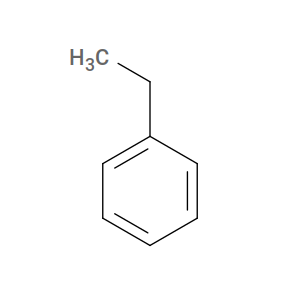
Fig. 6 Active styrene. C1 and C2 are the (eventually) reactive
vinyl carbons; each carries a sacrificial hydrogen.
In-config SMILES generation
The constituents block of 0-liquid-styrene.yaml carries the
SMILES string and, via the SMILES atom-mapping syntax ([CH2:1],
[CH3:2]), the names of the two carbons that polymerization
reactions would target:
constituents:
  STY:
    smiles: "c1ccccc1[CH2:1][CH3:2]"
    reactive_atoms: {1: C1, 2: C2}
    count: 1000
When htpolynet run starts, it sees the smiles key, invokes
RDKit to generate lib/molecules/inputs/STY.mol2 with the atom-name
mapping (:1 → C1, :2 → C2), and then proceeds with the
normal AmberTools parameterization workflow (antechamber →
parmchk2 → tleap). Users without RDKit can instead supply a
pre-built mol2 in lib/molecules/inputs/ and use the
rename_atoms key to assign atom names — see
Molecular Structure Inputs.