Results
At the end of the run, proj-0/systems/final-results/ contains:
final.gro,final.top,final.tpx,final.grx— the cured polystyrene system in GROMACS-friendly form;final.viz.psf,final.viz.tcl— VMD-friendly companion files that carry the real bond topology and trim PBC-crossing bonds at display time. Open with:$ vmd final.viz.psf final.gro -e final.viz.tcl
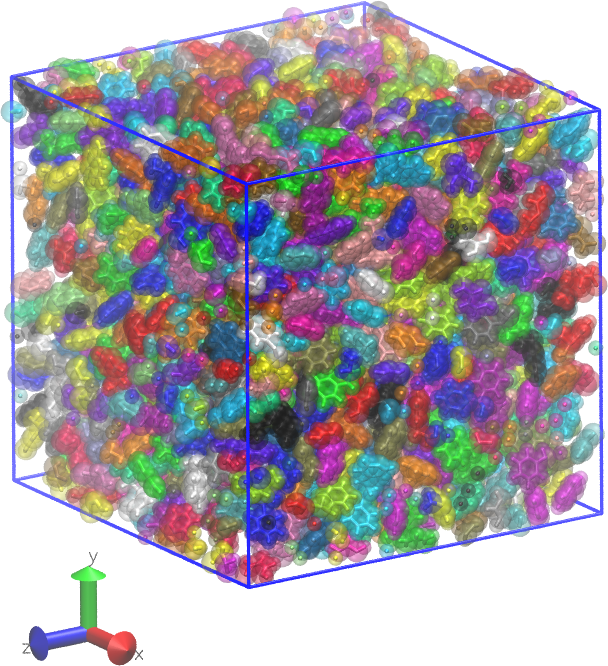
Fig. 10 The cured polystyrene box rendered from final.viz.psf +
final.gro. The TCL helper has trimmed bonds that would
otherwise wrap across the periodic image, leaving each polymer
chain visually contiguous.
Plots from the build log
htpolynet writes per-stage trace plots into proj-0/plots/ and a
machine-readable proj-0/profile.json recording wall time per stage
and subprocess time per tool. The plotting subcommand can also
produce summary figures from the diagnostic log:
$ htpolynet plots -diag diagnostics.log
A further exercise
Copy the YAML and dial down the desired conversion to see what the same cure looks like at a lower extent of reaction:
$ cp 1-polystyrene.yaml 1-polystyrene-low.yaml
$ # edit 1-polystyrene-low.yaml: CURE.controls.desired_conversion: 0.50
$ htpolynet run -diag diagnostics-low.log 1-polystyrene-low.yaml &> console-low.log &
The second build lands in proj-1/. Comparing density traces and
the profile.json files between the two runs gives a feel for how
much of the total wall time goes into the cure loop itself.
Post-build analyses
Once you have a cured polystyrene system, htpolynet postsim and
htpolynet analyze can drive production MD and compute properties
such as the glass-transition temperature. See the Post-build simulations and analyses
section for the recommended workflow for this system;
DGEBA-PACM Epoxy Thermoset shows the full set of techniques (including
uniaxial deformation for Young’s modulus) with real production-quality
plots.